| UIST 2026 |
|
|
Generative Experiences for Digital Mental Health Interventions: Evidence from a Randomized Study
Ananya Bhattacharjee, Michael Liut, Matthew Jörke, Diyi Yang, Emma Brunskill
|
| CoLM 2026 |

|
Learning Next Action Predictors from Human-Computer Interaction
Omar Shaikh, Valentin Teutschbein, Kanishk Ghandi, Yikun Chi, Nick Haber, Thomas Robinson, Nilam Ram, Byron Reeves, Sherry Yang, Michael Bernstein, and Diyi Yang
|
| CSCW 2026 |
|
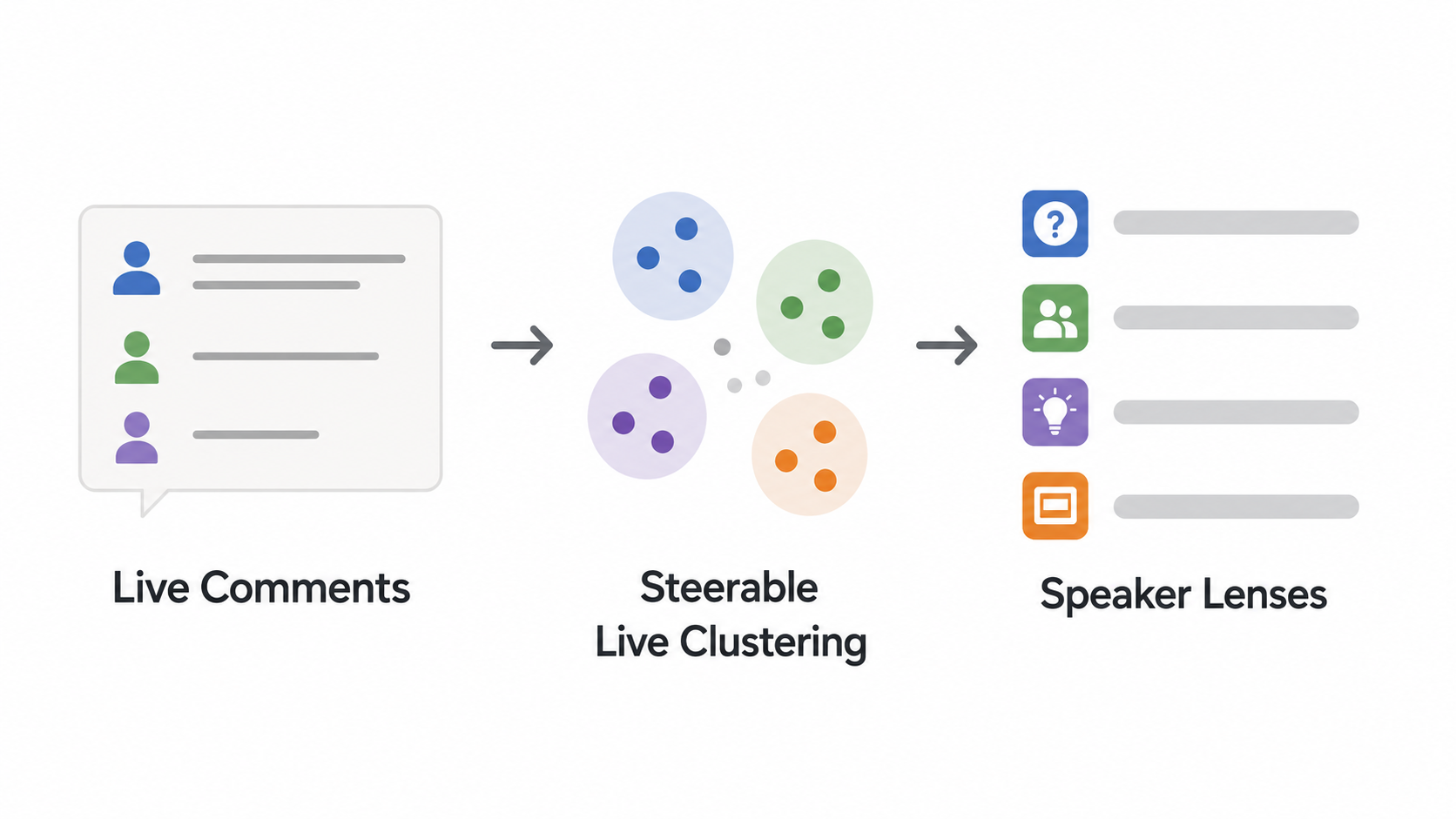
Reading the Room: Steerable Live Comment Clustering to Improve Speaker-Audience Understanding
Poonam Sahoo, Michelle Lam, Michael Bernstein
|
| Nature Human Behaviour 2026 |
|
|
Interaction with AI companions and psychological well-being
Yutong Zhang, Dora Zhao, Jeffrey T. Hancock, Robert E. Kraut, Diyi Yang
|
| PNAS 2026 |
|
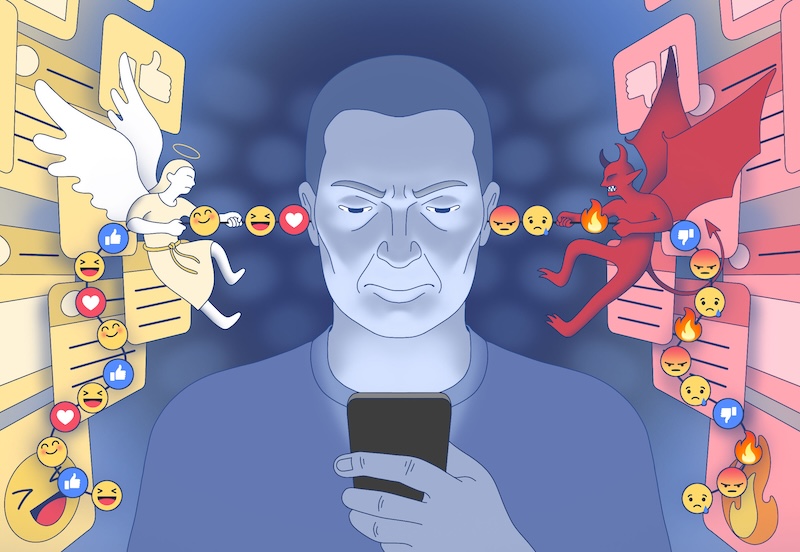
Value misalignment in X’s feed algorithm is a reflection of value tensions in engagement
Ziv Epstein, Farnaz Jahanbakhsh, Tiziano Piccardi, Axel Peytavin, Isabel Gallegos, Shardul Sapkota, Dora Zhao, Johan Ugander, Michael Bernstein
|
| C&C 2026 |

|
Art Card Game (ACG): Embedding Illustration in Gameplay to Mitigate Artist Self-Criticism
Catherine Mullings, Michael Bernstein
|
| ICWSM 2026 |

|
Whose Values? Measuring the (Subjective) Expression of Basic Human Values in Social Media
Ziv Epstein, Farnaz Jahanbakhsh, Tiziano Piccardi, Isabel Gallegos, Dora Zhao, Johan Ugander, Michael Bernstein
|
| CHI 2026 |
|
Comparing Design Metaphors and User-Driven Metaphors for Interaction Design
Beleicia Bullock, James A. Landay, Michael Bernstein
|

|
Just-In-Time Objectives: A General Approach for Specialized AI Interactions
Michelle Lam, Omar Shaikh, Hallie Xu, Alice Guo, Diyi Yang, Jeffrey Heer, James Landay, Michael Bernstein Honorable Mention
|

|
Mapping the Spiral of Silence: Surveying Unspoken Opinions in Online Communities
Dora Zhao, Diyi Yang, Michael Bernstein
|

|
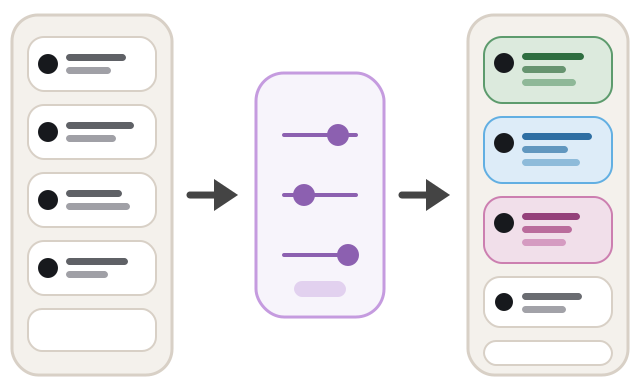
Multiplicity in Practice: Glitching the Human In/Through Personal Sensing
Nava Haghighi, Colette Do, Katie Liu, Yanav Lall, James A. Landay
|
|
Social Media Feed Elicitation
Lindsay Popowski, Xiyuan Wu, Charlotte Zhu, Tiziano Piccardi, Michael Bernstein Honorable Mention
|
|
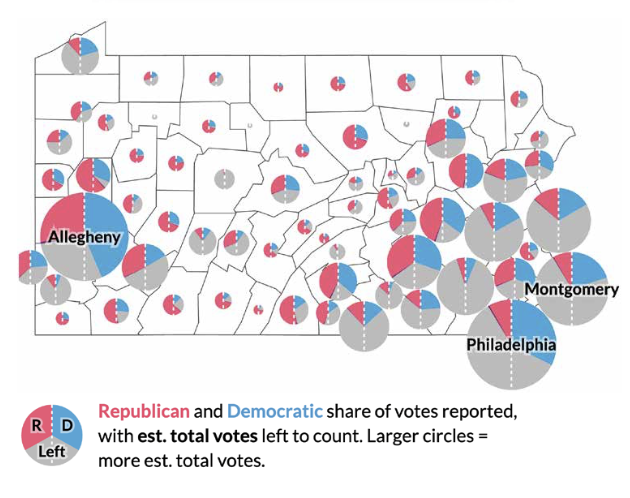
Through a Live Elections Dashboard, Darkly: Managing Expectations and Trust in Progressive Vote Counting During the 2024 U.S. Election
Mandi Cai, Grace Wang, Chloe R. Mortenson, Fumeng Yang, Erik C. Nisbet, Matthew Kay
|
|
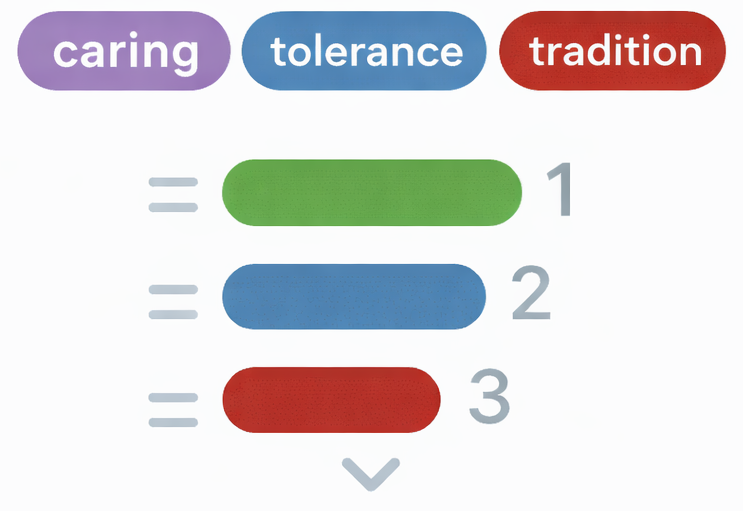
Value Alignment of Social Media Ranking Algorithms
Farnaz Jahanbakhsh, Dora Zhao, Tiziano Piccardi, Zachary Robertson, Ziv Epstein, Sanmi Koyejo, Michael Bernstein
|
| TSC 2026 |

|
Reranking Social Media Feeds: A Practical Guide for Field Experiments
Tiziano Piccardi, Martin Saveski, Chenyan Jia, Jeff Hancock, Jeanne Tsai, Michael Bernstein TSC Distinguished Paper Award
|
| CSCW 2026 |

|
People Can Accurately Predict Behavior of Complex Algorithms That Are Available, Compact, and Aligned
Lindsay Popowski, Helena Vasconcelos, Ignacio Javier Fernandez, Chijioke Chinaza Mgbahurike, Ralf Herbrich, Jeffrey Hancock, Michael Bernstein
|
| ICWSM 2026 |

|
Alexandria: A Library of Pluralistic Values for Realtime Re-Ranking of Social Media Feeds
Akaash Kolluri*, Renn Su*, Farnaz Jahanbakhsh, Dora Zhao, Tiziano Piccardi, Michael Bernstein
|
| IMWUT 2025 |
|
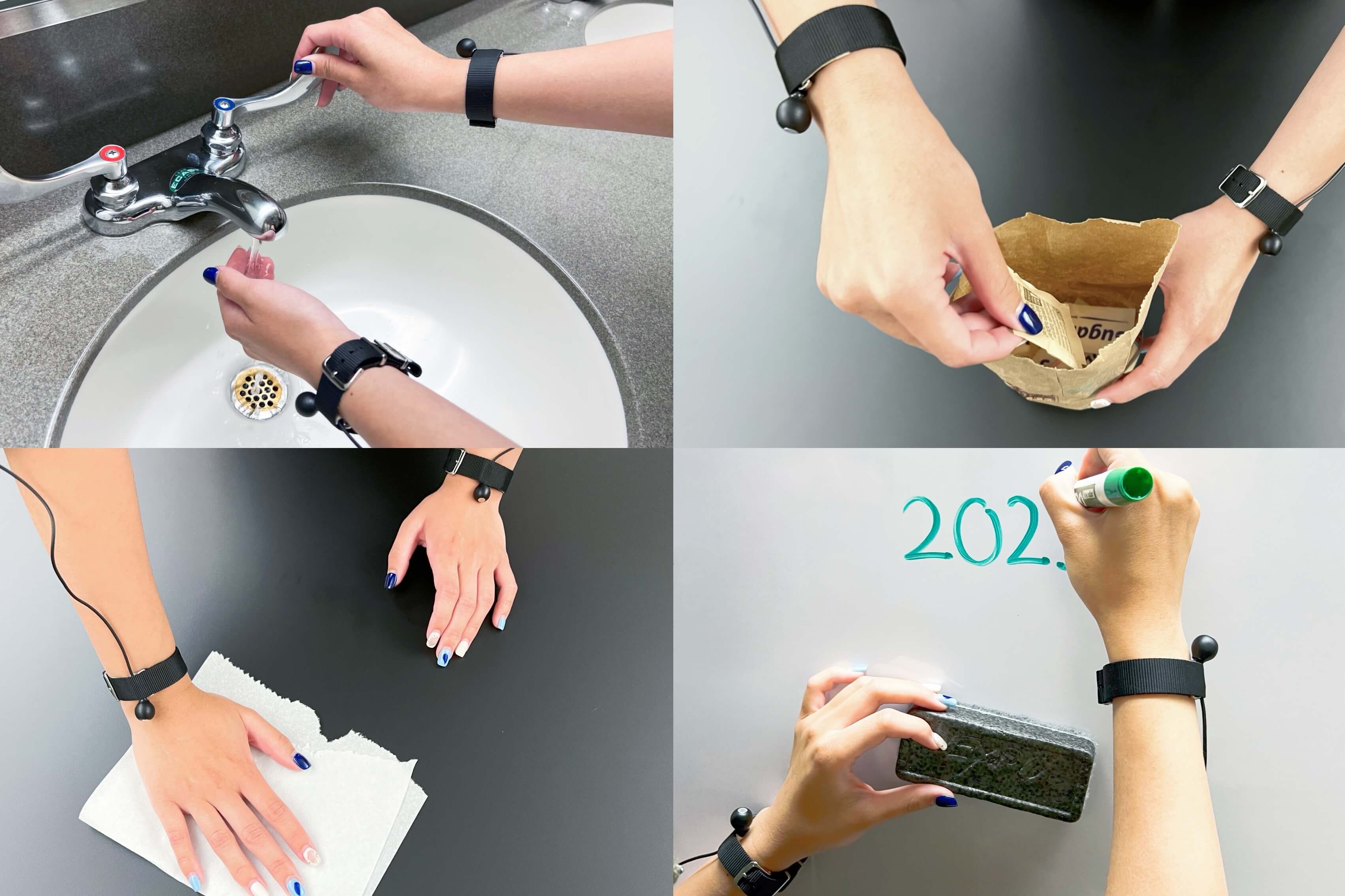
Audio Augmentation of Manual Interactions to Support Mindfulness
Yujie Tao, Jingjin Li, Libby Ye, Andrew Zhang, Jeremy N. Bailenson, Sean Follmer VIDEO
|
| TOCHI 2025 |

|
Audio Personas: Augmenting Social Perception via Body-Anchored Audio Cues
Yujie Tao, Libby Ye, Jeremy N. Bailenson, Sean Follmer
|
| EMNLP 2025 |

|
Finetuning LLMs for Human Behavior Prediction in Social Science Experiments
Akaaash Kolluri, Shengguang Wu, Joon Sung Park, Michael Bernstein PROJECT
|
| Science 2025 |
|
|
Reranking Partisan Animosity in Algorithmic Social Media Feeds Alters Affective Polarization
Tiziano Piccardi, Martin Saveski, Chenyan Jia, Jeffrey Hancock, Jeanne L. Tsai, and Michael Bernstein
|
| CSCW 2025 |

|
Burst: Collaborative Curation in Connected Social Media Communities
Yutong Zhang, Taeuk Kang, Sydney Yeh, Anavi Baddepudi, Lindsay Popowski, Tiziano Piccardi, Michael Bernstein
|
| MIT Press 2025 |

|
Flash Teams: Leading the Future of AI-Enhanced, On-Demand Work
Melissa Valentine, Michael Bernstein national bestseller
|
| UIST 2025 |
|
|
Creating General User Models from Computer Use
Omar Shaikh, Shardul Sapkota, Shan Rizvi, Eric Horvitz, Joon Sung Park, Diyi Yang, Michael Bernstein PROJECT best paper honorable mention
|

|
Knoll: Creating a Knowledge Ecosystem for Large Language Models
Dora Zhao, Diyi Yang, Michael Bernstein
|
| ICLR 2025 |

|
Aligning Language Models with Demonstrated Feedback
Omar Shaikh, Michelle Lam, Joey Hejna, Yijia Shao, Justin Cho, Michael Bernstein, and Diyi Yang
|
| ICML Position Papers 2025 |

|
LLM Social Simulations Are a Promising Research Method
Jacy Reese Anthis, Ryan Liu, Sean M. Richardson, Austin C. Kozlowski, Bernard Koch, James Evans, Erik Brynjolfsson, Michael Bernstein
|
| ICWSM 2025 |

|
Balancing Producer Fairness and Efficiency via Prior-Weighted Rating System Design
Thomas Ma, Michael Bernstein, Ramesh Johari, and Nikhil Garg.
|
| CHI 2025 |
|
|
GPTCoach: Towards LLM-Based Physical Activity Coaching
Matthew Jörke, Shardul Sapkota, Lyndsea Warkenthien, Niklas Vainio, Paul Schmiedmayer, Emma Brunskill, James A Landay
|

|
Ontologies in Design: How Imagining a Tree Reveals Possibilites and Assumptions in Large Language Models
Nava Haghighi, Sunny Yu, James Landay, Daniela Rosner
|
| IUI 2025 |

|
More than Marketing? On the Information Value of AI Benchmarks for Practitioners
Amelia Hardy, Anka Reuel, Kiana Jafari Meimandi, Lisa Soder, Allie Griffith, Dylan M. Asmar, Sanmi Koyejo, Michael Bernstein, Mykel J. Kochenderfer
|
| CSCW 2024 |
|
|
"They Make Us Old Before We're Old": Designing Ethical Health Technology with and for Older Adults
Jianna So, Samantha Estrada, Matthew Jörke, Eva Bianchi, Maria Wang, Nava Haghighi, Kristen L. Fessele, James A. Landay, Andrea Cuadra Honorable Mention
|

|
Chillbot: Content Moderation in the Backchannel
Joseph Seering, Manas Khadka, Nava Haghighi, Tanya Yang, Zachary Xi, Michael Bernstein best paper honorable mention
|

|
Commit: Online Groups with Participation Commitments
Lindsay Popowski, Yutong Zhang, Michael Bernstein best paper honorable mention
|

|
Constructing a Classification Scheme - and Its Consequences: A Field Study of Learning to Label Data for Computer Vision in a Hospital Intensive Care Unit
Melissa A. Valentine, Roger E. Bohn, Amanda L. Pratt, Prachee Jain, Sara J. Singer, Michael Bernstein
|

|
The Algorithm and the Org Chart: How Algorithms Can Conflict with Organizational Structures
Melissa A. Valentine, Amanda L. Pratt, Rebecca Hinds, Michael S. Bernstein
|
| UIST 2024 |

|
Clarify: Improving Model Robustness With Natural Language Corrections
Yoonho Lee, Michelle Lam, Helena Vasconcelos, Michael Bernstein, Chelsea Finn
|
| SM+S 2024 |

|
Internal Fractures: The Competing Logics of Social Media Platforms
Angèle Christin, Michael S. Bernstein, Jeffrey T. Hancock, Chenyan Jia, Marijn N. Mado, Jeanne L. Tsai, and Chunchen Xu
|
| Stanford 2024 |
|
|
Evaluating and Designing Computing Systems for the Future of Work
Hancheng Cao
|
| CHI 2024 |
|
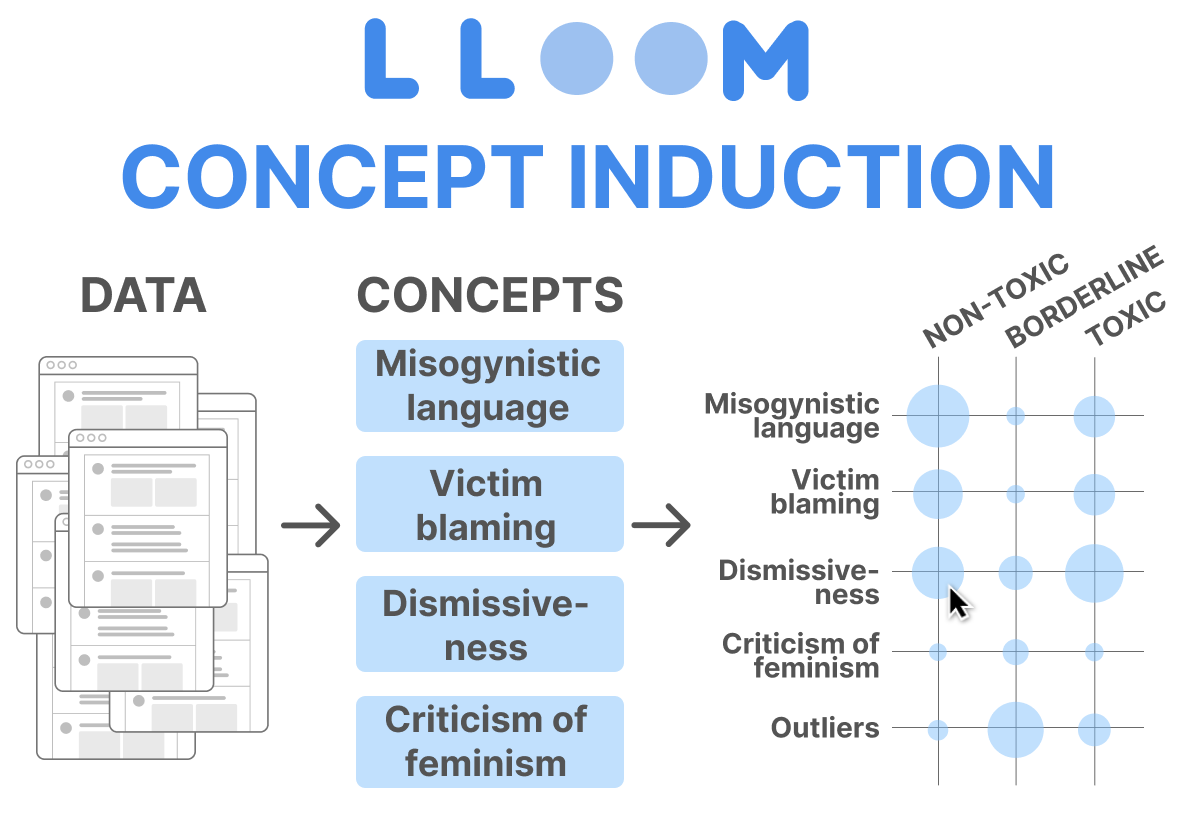
Concept Induction: Analyzing Unstructured Text with High-Level Concepts Using LLooM
Michelle S. Lam, Janice Teoh, James Landay, Jeffrey Heer, Michael Bernstein PROJECT
|
|
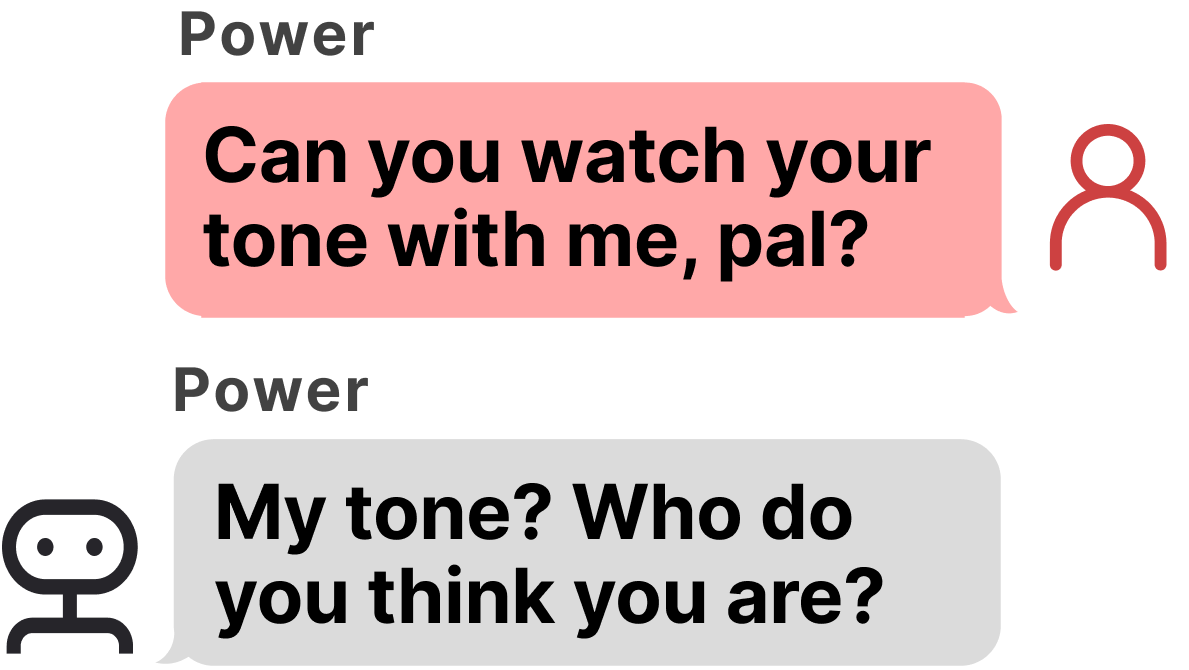
Rehearsal: Simulating Conflict to Teach Conflict Resolution
Omar Shaikh, Valentino Chai, Michele Gelfand, Diyi Yang, and Michael Bernstein
|
| CSCW 2024 |
|
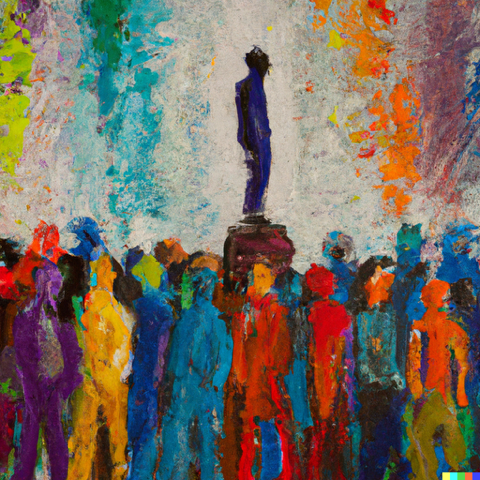
Embedding Democratic Values into Social Media AIs via Societal Objective Functions
Chenyan Jia*, Michelle S. Lam*, Minh Chau Mai, Jeff Hancock, Michael S. Bernstein best paper
|
|
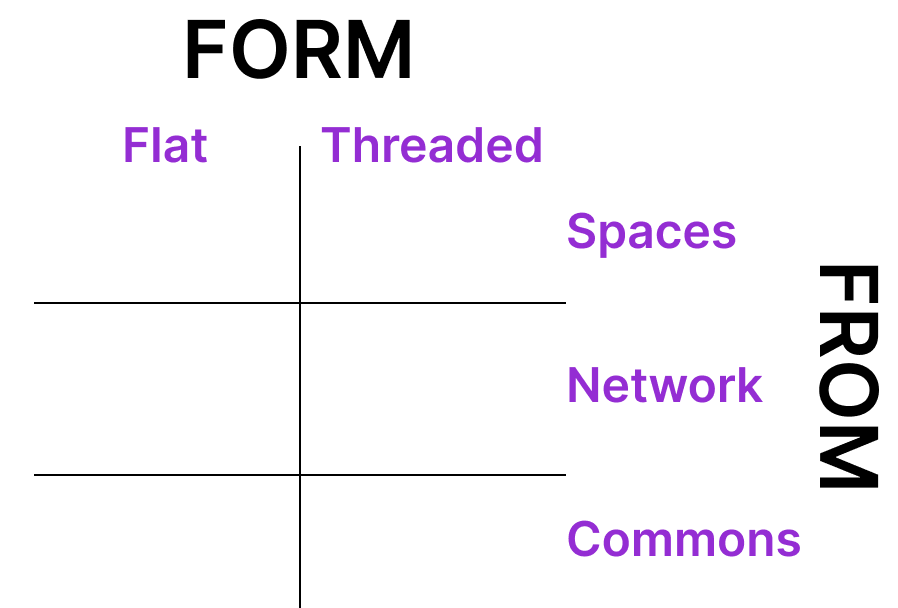
Form-From: A Design Space of Social Media Systems
Amy X. Zhang, Michael Bernstein, David Karger, and Mark Ackerman
|
| UIST 2023 |
|
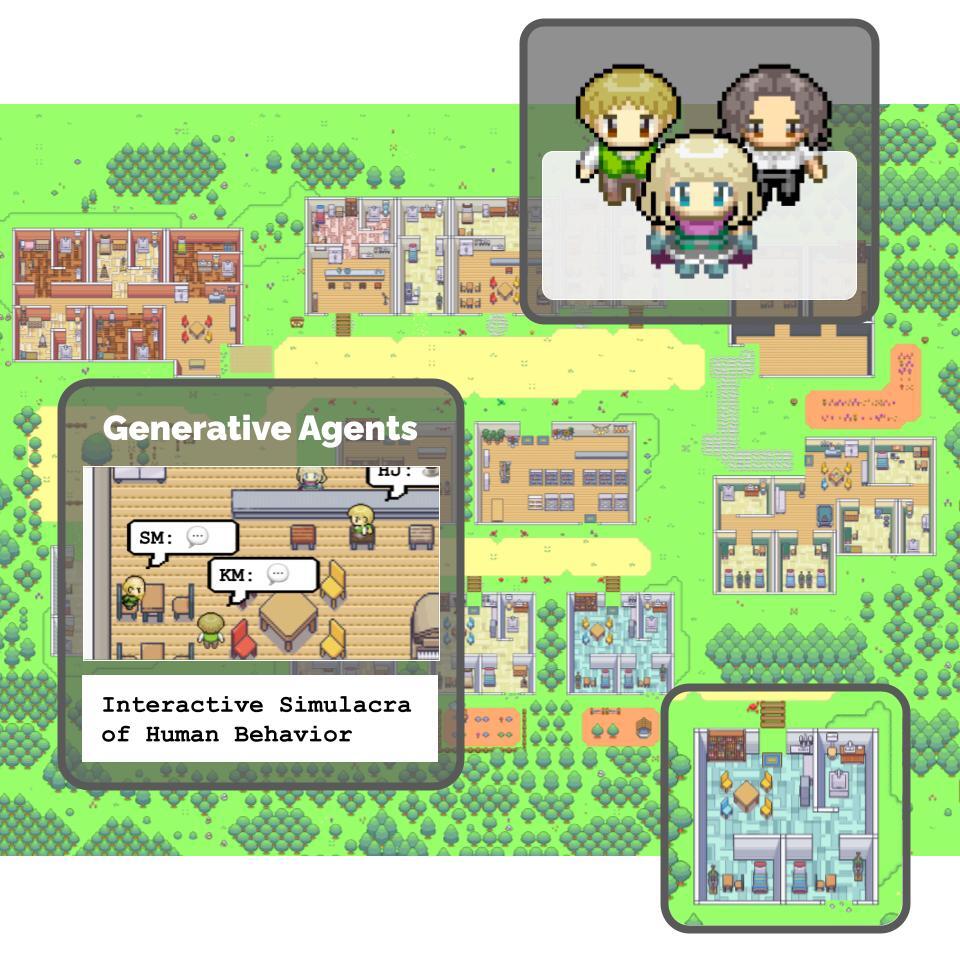
Generative Agents: Interactive Simulacra of Human Behavior
Joon Sung Park, Joseph O'Brien, Carrie Cai, Meredith Ringel Morris, Percy Liang, Michael Bernstein TRY IT! PROJECT best paper
|
| more... |